11 Pivotal College & Student-Led Protests Throughout History
11 Pivotal College & Student-Led Protests Throughout History - Page 2
- Student activism has sparked pivotal civil rights and political movements throughout history.
- Protests have led to landmark changes in higher education, including the creation of Ethnic Studies.
- Today's student activists continue the tradition of using direct action to challenge injustice and enact change.
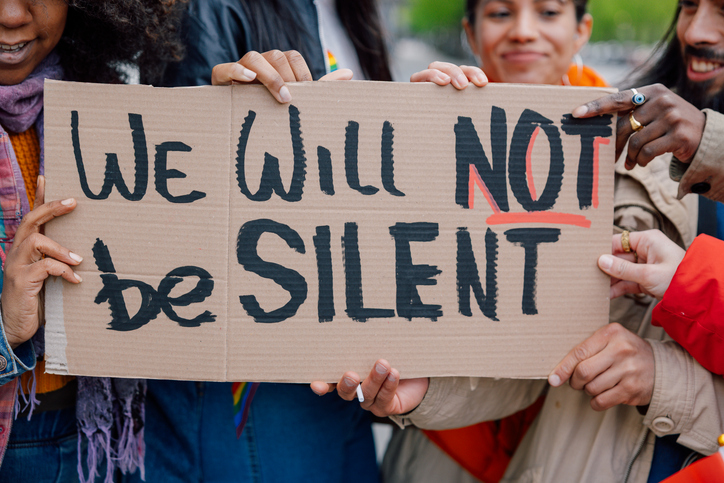
College campuses and even high schools have long been the heartbeats of student protests and political and civil rights movements. From lunch counters in the Jim Crow South to the streets of apartheid-era South Africa, students have repeatedly risked their safety, education, and even their lives to challenge injustice. Many of the most powerful civil rights and liberation movements in history were led not by politicians, but by young people demanding change in real time.
Here’s a look at some of the most influential student-led protests and movements that reshaped history.
1. The Greensboro Sit-Ins Sparked A National Movement.
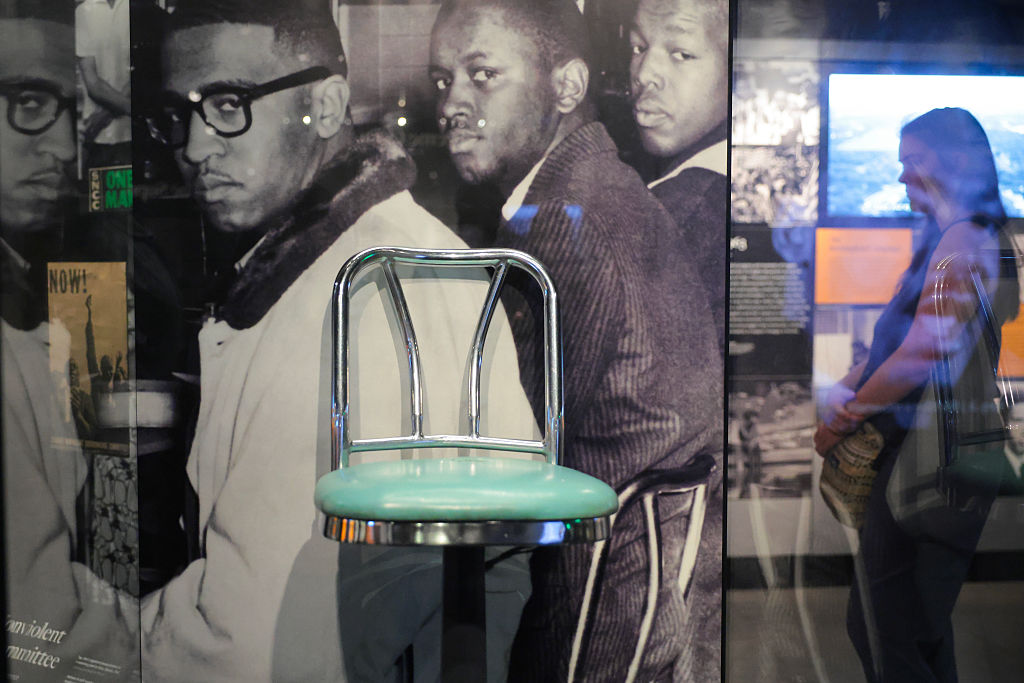
On Feb. 1, 1960, four Black freshmen from North Carolina Agricultural and Technical State University walked into a segregated Woolworth’s lunch counter in Greensboro, North Carolina, sat down, and politely asked to be served. They were denied service, but refused to leave.
The students, later known as the Greensboro Four, were Joseph McNeil, Franklin McCain, David Richmond, and Ezell Blair Jr., who later changed his name to Jibreel Khazan. Their peaceful protest quickly inspired students across the South to organize their own sit-ins against segregation.
Within months, demonstrations spread to dozens of cities and involved thousands of students. The protests directly challenged segregation in restaurants, libraries, hotels, and other public spaces. Historians widely consider the Greensboro sit-ins a turning point in the modern Civil Rights Movement.
2. SNCC Turned Student Protest Into Organized Resistance.
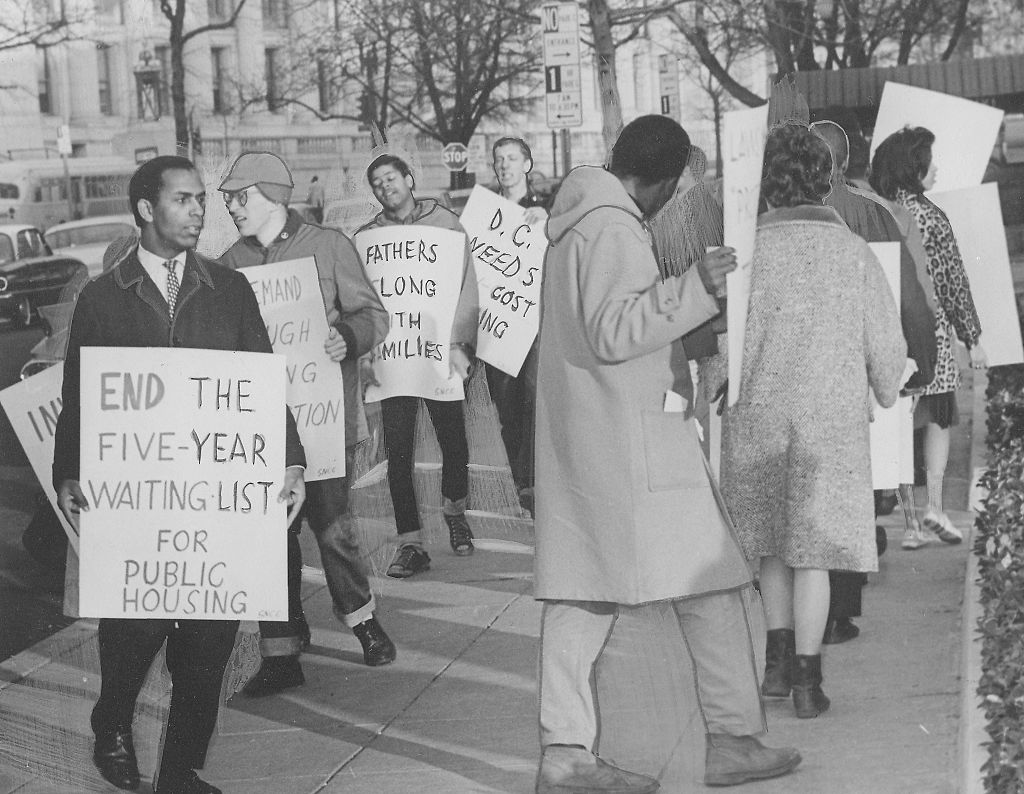
The momentum created by the Greensboro protests led to the creation of the Student Nonviolent Coordinating Committee, better known as SNCC, in 1960.
The SNCC was pivotal in the 1960s Civil Rights Movement, leading popular protests such as the 1960 lunch-counter sit-ins, the 1961 Freedom Rides, the 1964 Freedom Summer voter-registration campaign in Mississippi, and the 1965 Selma-to-Montgomery marches. These actions focused on desegregation, voting rights, and direct action against systemic racism.
Young activists such as Diane Nash, John Lewis, and Stokely Carmichael emerged from SNCC and became defining voices of the era. The organization helped prove that students were not simply participants in history; they were capable of leading entire movements.
3. The Orangeburg Massacre Became One of the Deadliest Campus Protests in U.S. History.
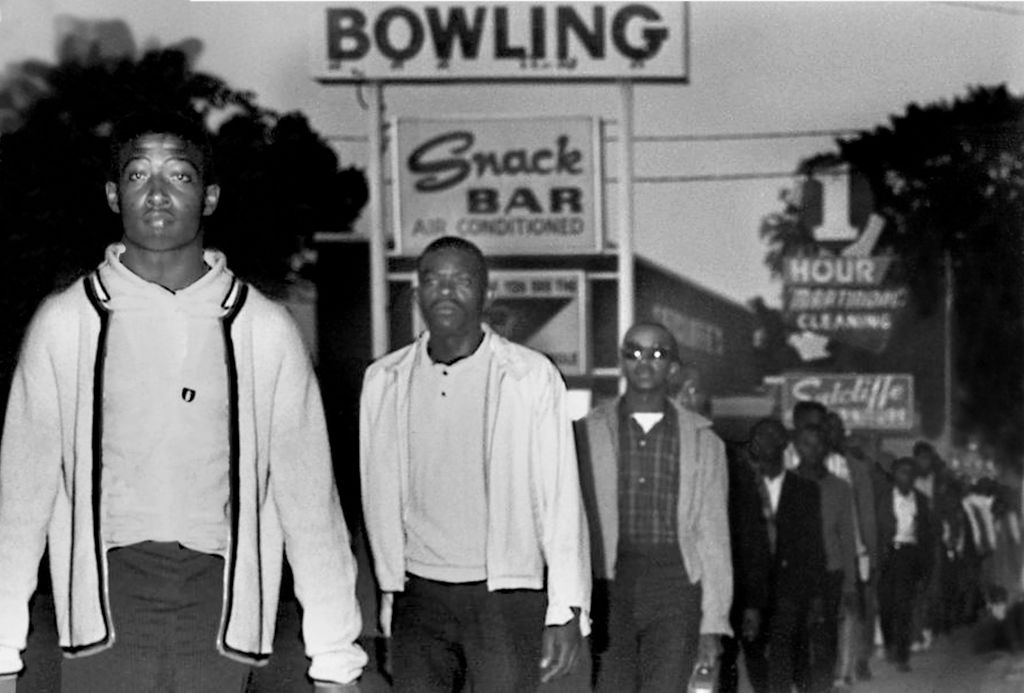
Years before the Kent State shootings shocked the nation, students at South Carolina State University were met with deadly violence during protests against segregation.
The demonstrations began in February 1968 after Black students attempted to desegregate a local bowling alley in Orangeburg, South Carolina. Tensions escalated over several days as students protested racism and police brutality. On the night of Feb. 8, 1968, state highway patrol officers opened fire on a crowd of students gathered on campus.
Three young Black men, Samuel Hammond, Henry Smith, and Delano Middleton, were killed, while dozens more were injured. Smith and Hammond were both enrolled at SC State, while Middleton was a 17-year-old student at Wilkinson High School in Orangeburg, according to SC State University archives. The tragedy became known as the Orangeburg Massacre and remains one of the least-discussed acts of campus violence in American history.
Civil rights activist Cleveland Sellers, who was associated with SNCC, was later blamed for inciting unrest and became the only person convicted in connection with the events, despite being wounded during the shooting himself. He was eventually pardoned decades later. During an interview with the South Carolina Oral History Collection in 2011, Sellers said he had become a target of the FBI for his dedication to civil rights activism, which may have escalated tensions during the Orangeburg Massacre.
“I became recognized and became a high-profile target for the FBI, who were, in 1964 and 1965, putting together what they called the ‘radical persons index’. So, I ended up on that index and became a target of the FBI in terms of character assassination or removal from any kind of legitimacy in Civil Rights or in the African American community,” he explained. “And a lot of that probably led to the conditioning that centered around the police response in Orangeburg.”
4. Fisk University Students Fought to Protect Black Art and Black Identity.
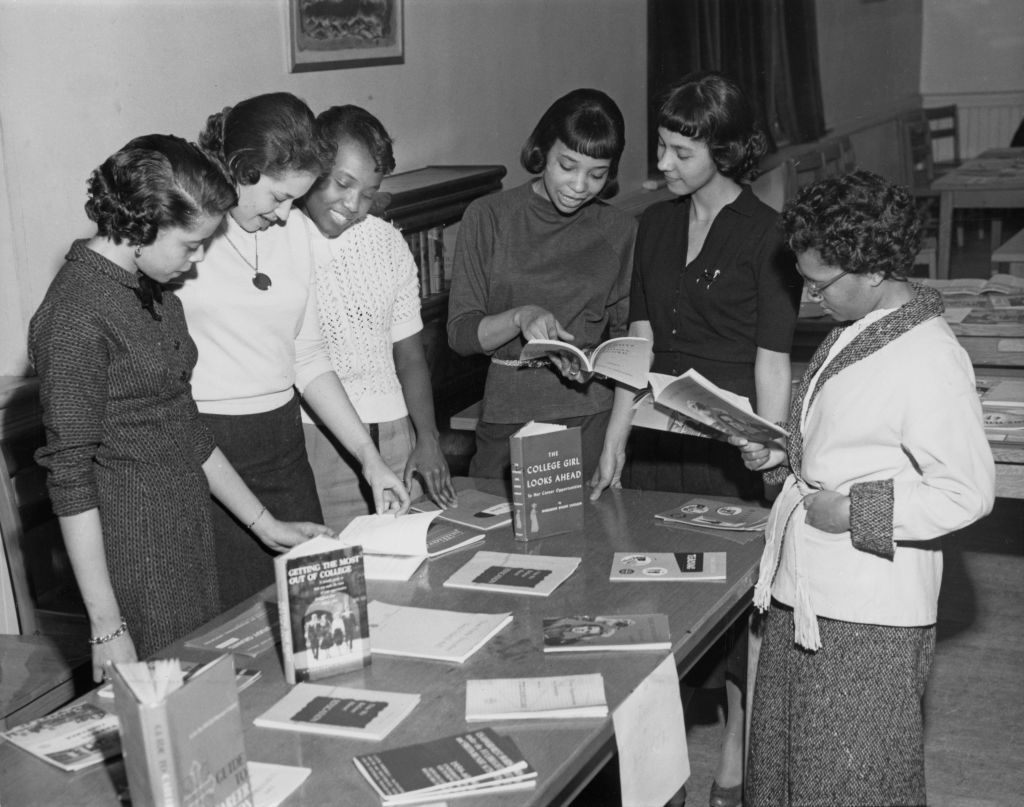
During the late 1960s and early 1970s, students at Fisk University became heavily involved in Black student activism tied to the broader Black Power Movement.
Fisk students organized protests demanding curriculum changes, greater Black representation in university leadership, and stronger protections for Black cultural institutions. One major point of tension involved the university’s world-famous art collection, including works connected to the Harlem Renaissance and artists such as Georgia O’Keeffe and Aaron Douglas.
Students argued that historically Black institutions should not have to sacrifice cultural treasures due to financial pressures. Their activism reflected a broader movement among Black college students nationwide who were pushing universities to center Black history, identity, and political consciousness.
5. The Soweto Uprising Changed South Africa Forever.
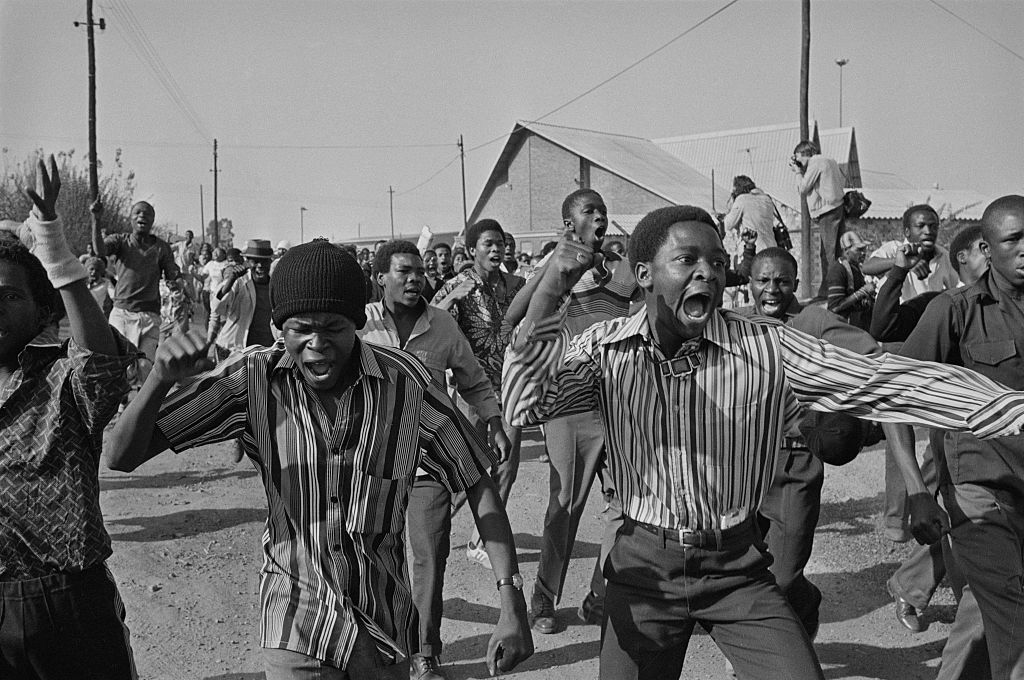
One of the most powerful student uprisings in world history took place in Soweto, South Africa, on June 16, 1976. Thousands of Black students marched to protest apartheid policies that forced schools to teach in Afrikaans, the language associated with white minority rule.
Police responded with brutal force, opening fire on student protesters. Images of young victims, particularly 13-year-old Hector Pieterson, shocked the world and exposed the violence of apartheid to an international audience. The Soweto Uprising became a defining moment in the anti-apartheid movement and intensified global pressure against South Africa’s racist government.
Historians estimate that hundreds of people were killed during the protests and unrest that followed. The uprising demonstrated how student activism could become the catalyst for worldwide political change and ultimately forced the government toward a crisis of legitimacy, beginning a slow dismantling of apartheid that led to the first democratic elections in 1994.
6. The Kent State Shootings Became A Defining Anti-War Protest Moment.
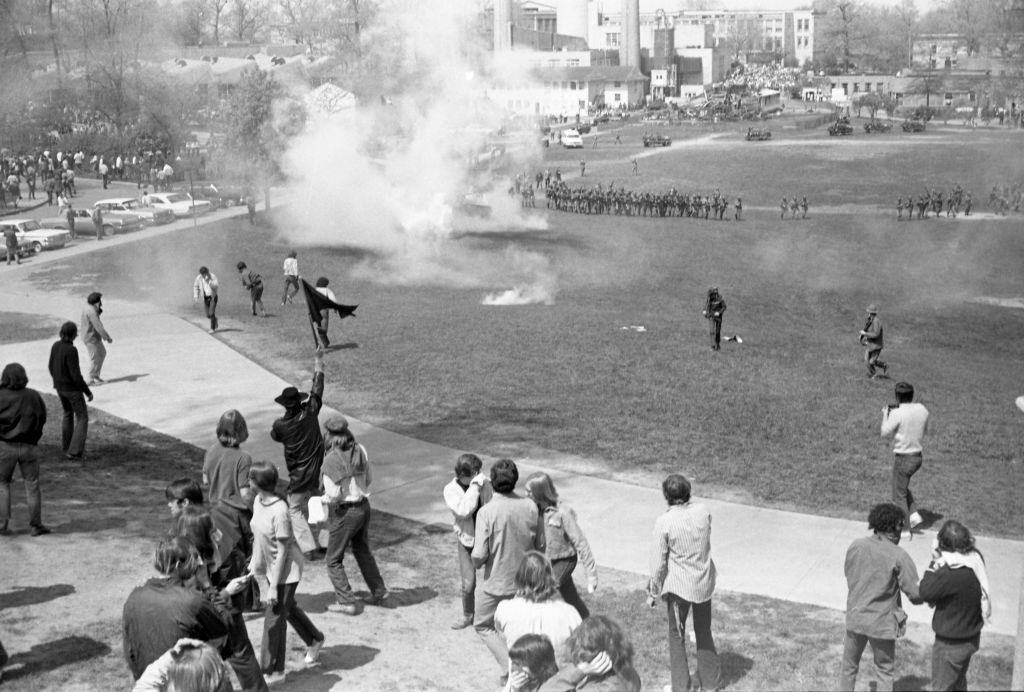
One of the most infamous student protests in American history took place at Kent State University on May 4, 1970. Students gathered on campus to protest the Vietnam War and President Richard Nixon’s decision to expand the conflict into Cambodia. According to Human Rights Careers, university officials tried to ban the protest, “but around 3,000 people showed up anyway.”
Tensions between demonstrators and authorities had been building for days before members of the Ohio National Guard opened fire on unarmed students during the protest. Tragically, four students were killed and nine others were wounded in just 13 seconds.
The Kent State shootings sparked outrage across the country and led to massive student strikes and demonstrations at hundreds of colleges and universities nationwide. More than 4 million students reportedly participated in campus protests following the tragedy, making it one of the largest student-led protest movements in U.S. history.
The event became a lasting symbol of the growing divide over the Vietnam War and raised national concerns about free speech, police force, and the treatment of student activists.
8. The Third World Liberation Front Strikes Changed Higher Education.
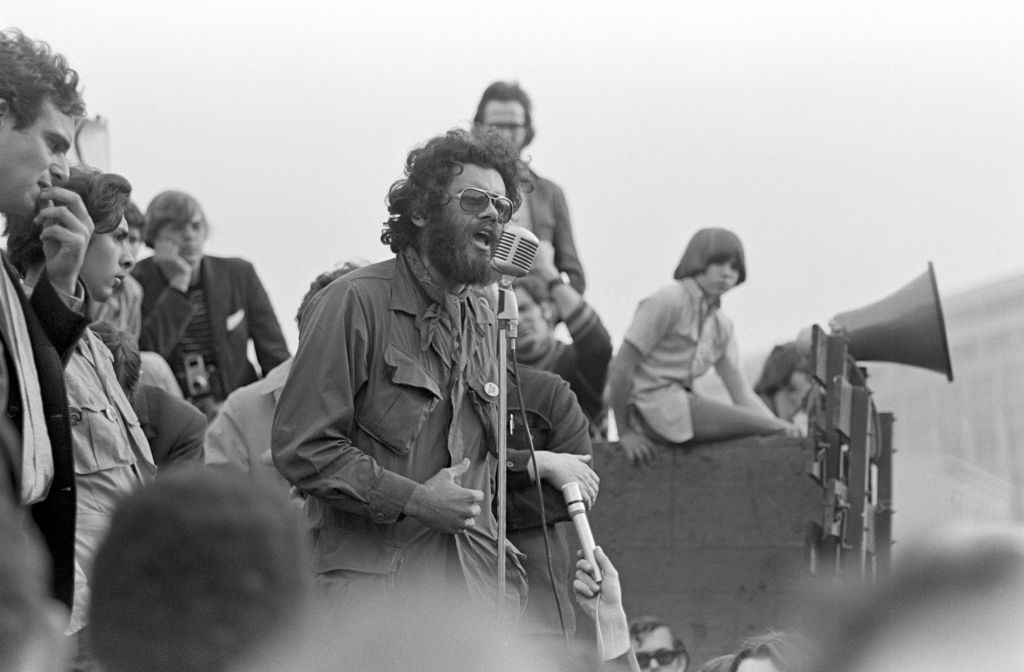
From 1968 to 1969, students at San Francisco State University led one of the most influential student strikes in American history through the Third World Liberation Front. Formed between the university’s Black Student Union and other student groups on campus, the student initiative led a five-month strike to “demand a radical shift in admissions practices that mostly excluded nonwhite students and in the curriculum regarded as irrelevant to the lives of students of color,” according to UC Berkeley’s website. It was the longest student strike in U.S. history.
Black, Latino, Asian American, and Indigenous student groups united to demand a more diverse curriculum, greater minority representation among faculty, and the creation of academic programs focused on marginalized communities. The protests ultimately led to the establishment of the nation’s first College of Ethnic Studies, permanently changing higher education and opening the door for similar programs nationwide.
9. The East LA Walkouts Fueled The Chicano Movement.
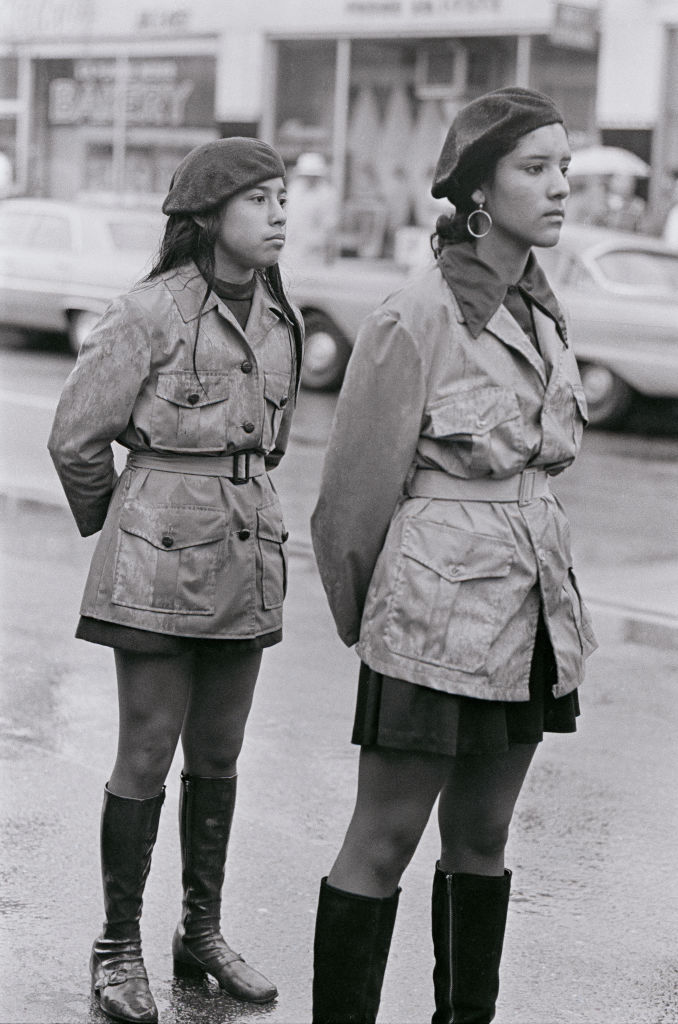
On March 1, 1968, nearly 15,000 Mexican American students walked out of seven different high schools across East Los Angeles to protest racism and unequal educational opportunities within the public school system, according to Scalar. The protest was spearheaded by the Brown Berets, a social justice organization founded by Chicano youth during the late 1960s.
“Drawing inspiration from the Black Panther movement around the same time of its inception, Chicano students knew it was important for them to represent their community in the same way members of the Black Panther party were doing,” the website noted. “In similar fashion to the Black Panther Party, the Brown Berets focused on social justice issues, the lack of resources towards the Latino community, such as healthcare inequality, and also police brutality — eventually being labeled as “radical” by the US Government and LAPD just like their sister organization.”
The students demanded better textbooks, improved school facilities, more Latino teachers and counselors, bilingual education programs, and fair treatment from administrators. The demonstrations became known as the East LA Walkouts, or the “Blowouts,” and quickly became a defining moment in the Chicano civil rights movement.
The protests brought national attention to educational inequality facing Mexican American communities and helped push schools toward long-overdue reforms.
10. Black Lives Matter Protests Called For Racial Equity.
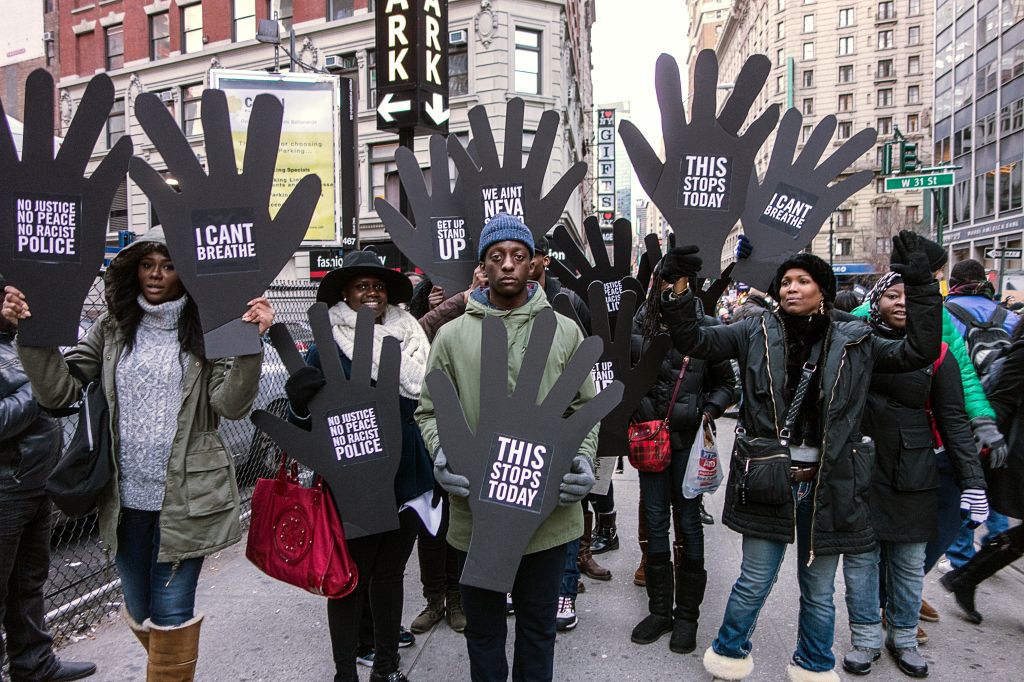
Student activism remains a powerful force in modern social justice movements. In recent years, college and high school students have organized large-scale demonstrations focused on racial justice, police reform, war, and human rights.
Student-led Black Lives Matter protests gained major momentum in 2015 and surged again in 2020 following the murder of George Floyd. Students across the country organized marches, school walkouts, rallies, and campus demonstrations demanding racial equity, police accountability, and safer educational environments.
11. Pro-Palestinian Protests Sparked Change Worldwide.
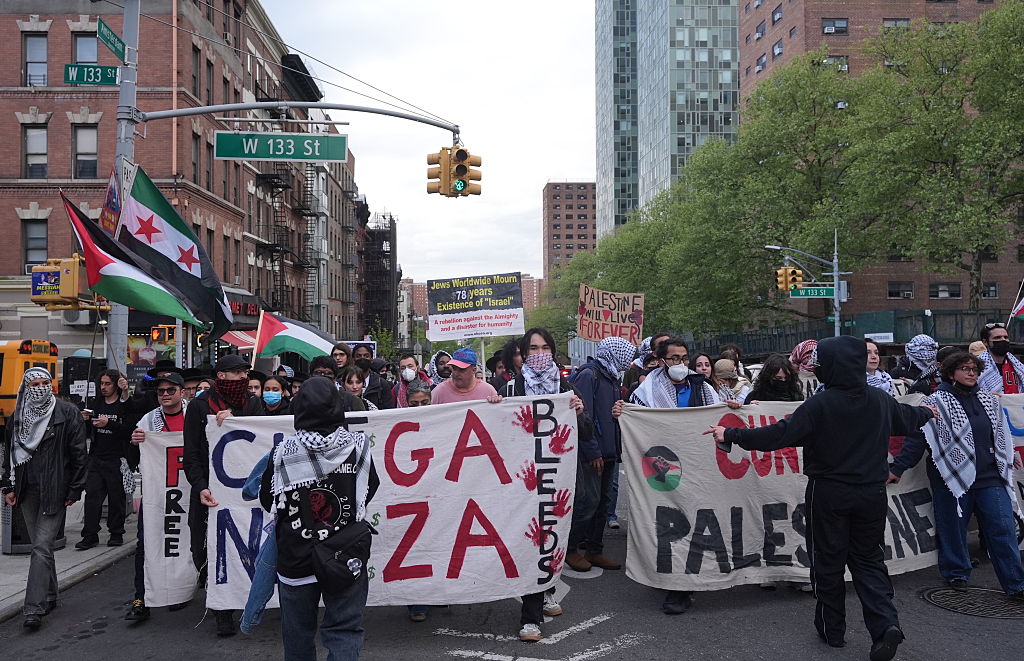
In 2024, pro-Palestinian campus protests spread across universities nationwide as students established encampments, staged sit-ins, and occupied campus buildings in response to the Israel-Hamas war. The demonstrations reignited national debates surrounding free speech, student activism, institutional investments, and the role universities play in global political conflicts.
Key protests occurred at UCLA, USC, UT Austin, Emerson College, and Northwestern, with major demonstrations at Columbia, Yale, NYU, MIT, and Tufts. According to data from Armed Conflict Location & Event Data Project (ACLED), more than 1,360 student demonstrations took place between Oct. 7, 2023, and May 3, 2024, with over 94% of those protests expressing support for Palestine. The movement gained even more national attention after more than 100 student protesters were arrested at Columbia University around April 18, 2024, sparking a new wave of campus demonstrations that quickly spread across 36 states.
Like the student movements that came before them, today’s activists continue using direct action, organizing, and public protest to pressure institutions and challenge injustice. The students who organized sit-ins, marched through Soweto, or protested in Orangeburg helped establish a blueprint still used by activists today: direct action, grassroots organizing, media visibility, and youth leadership.
Their movements were not always immediately successful, and many participants faced arrests, violence, surveillance, or expulsion. But history continues to show that student activism has the power to transform nations and forces the world to pay attention. The youth hold the power to bring about tremendous change.
SEE MORE:


