

What Is Shigella Infection? What You Need To Know
‘You Have Died Of Dysentery’: What To Know About The Growing Shigella Health Concern
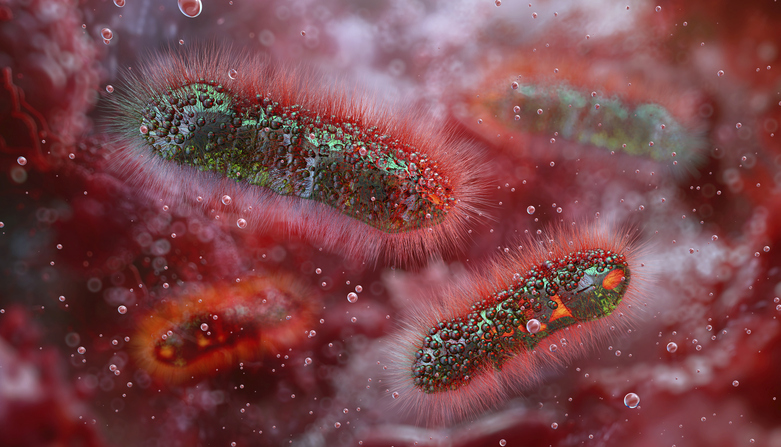
What is Shigella infection? It’s the question at the top of people’s minds following a report from the Centers for Disease Control and Prevention (CDC) warning of an increase in cases tied to the bacteria.
Here’s what we know about the growing health issue.
What is Shigella infection?
Shigella, also called shigellosis, is a diarrheal illness caused by a group of bacteria. Interest in the disease has grown following an April 9 report from the CDC, which warned that cases of extensively drug-resistant (XDR) Shigella are increasing in the United States. The agency noted that “no Food and Drug Administration–approved oral treatment is available” for these resistant infections.
Since 2015, a growing share of infections has been caused by XDR strains, defined as resistant to multiple commonly used antibiotics, including ampicillin, azithromycin, ceftriaxone, ciprofloxacin, and trimethoprim-sulfamethoxazole. Overall, Shigella is estimated to cause about 450,000 infections in the United States each year.
How does it spread?
According to the CDC, Shigella bacteria spread easily and are a common cause of diarrhea. People most often become infected by eating or drinking contaminated food or water, through fecal-oral transmission, or through contact with someone who is currently sick or was recently sick. The bacteria can also spread during sexual activity. Because of its ease of transmission and growing antibiotic resistance, Shigella is considered a significant public health concern.
Recent data highlights the scale of the issue. Among nearly 17,000 Shigella samples with resistance data, (XDR )Shigella strains rose from 0% in 2011 to 8.5% in 2023, the report noted. While earlier U.S. outbreaks mainly affected children and involved strains that were easier to treat, newer data show that most XDR cases have occurred among adult men. About one-third of infected patients required hospitalization.
What are the symptoms of a Shigella infection?
Symptoms typically begin one to two days after exposure. The most common signs include diarrhea (which may be bloody or last more than three days), fever, and stomach pain. Illness usually lasts five to seven days, though some cases can persist longer.
Certain groups are at higher risk of complications. People with weakened immune systems should seek medical advice if they develop symptoms. Medical attention is also recommended for those with high fever, bloody diarrhea, persistent vomiting, or signs of dehydration.
Children under age five are especially likely to become infected, though people of any age can get sick. Outbreaks are common in childcare settings and schools.
Travel can also increase risk. People visiting areas with unsafe food or water or poor sanitation are more likely to contract Shigella, including strains that are harder to treat.
How can you protect yourself?
To prevent the spread of Shigella, especially (XDR) Shigella, there are several practical steps you can take. Wash your hands thoroughly with soap and water at key times, especially after using the bathroom or before handling food, and take extra care when changing diapers.
Avoid swallowing water while swimming, as contaminated water can be a source of infection. When traveling internationally, follow safe food and water practices and clean your hands often. If you or your partner has been diagnosed with shigellosis, avoid sexual activity for at least two weeks after diarrhea has ended to reduce the risk of transmission.
SEE MORE:
Chagas Disease Is Spreading In The US—Here’s What’s Behind It
Listeria Outbreak: Everything You Need To Know About The Nationwide Alert


