Bigger Than The Music: Black Artists Fight Exploitation
Bigger Than The Music: When Black Artists Speak Out Against Exploitation
June is Black Music Month. While this is a time to celebrate all the bangers and musical contributions made by Black musicians, it’s also important to look back at the struggles they have historically faced. From unpaid royalties, white artists stealing covering songs by Black artists, to unfair label practices, here are some Black artists who have spoken out against how the music industry exploits Black artists.
Little Richard and the Era of “Race Records”
In the early days of rock ‘n’ roll, there was a trend called “race records,” in which record labels would sign Black musicians and release their records exclusively in Black neighborhoods. These records would sell millions of copies, but the musicians would often see very little of that money. “I didn’t get no royalties, because I didn’t know nothing about trying to demand for no money, see,” blues musician Big Bill Broonzy told Alan Lomax in 1947.
As if it wasn’t bad enough that Black artists weren’t being paid fairly for their work, there was also the issue of white artists creating sanitized covers of songs by Black artists. No one was impacted by this more than the late Little Richard.
“They took Pat Boone and threw Pat Boone on me,” Little Richard said in PBS’s History of Rock and Roll. Now that would be somewhat fine if the covers brought Little Richard’s music to a wider audience and resulted in significant royalties, like Google’s totally never-wrong AI summary suggests. Unfortunately, that wasn’t the case. Boone’s covers would chart significantly higher than Little Richard’s original records, and he didn’t even receive a percentage of Boone’s record sales, despite writing the songs.
“I looked around and didn’t have any money,” Little Richard told Rolling Stone. “Those record companies paid me nothing, you know? Nobody had paid me a dime. All those hits.”
Prince
This is not a remotely hot take, but I genuinely believe that Prince is one of, if not flat-out, the greatest American musician to ever do the damn thing. The way he managed to parlay genuine artistic virtuosity into overwhelming commercial success is something very few musicians, outside of maybe Kendrick Lamar, have done in recent years.
I could really spend this whole piece gushing about Prince, but that’s not why we’re here.
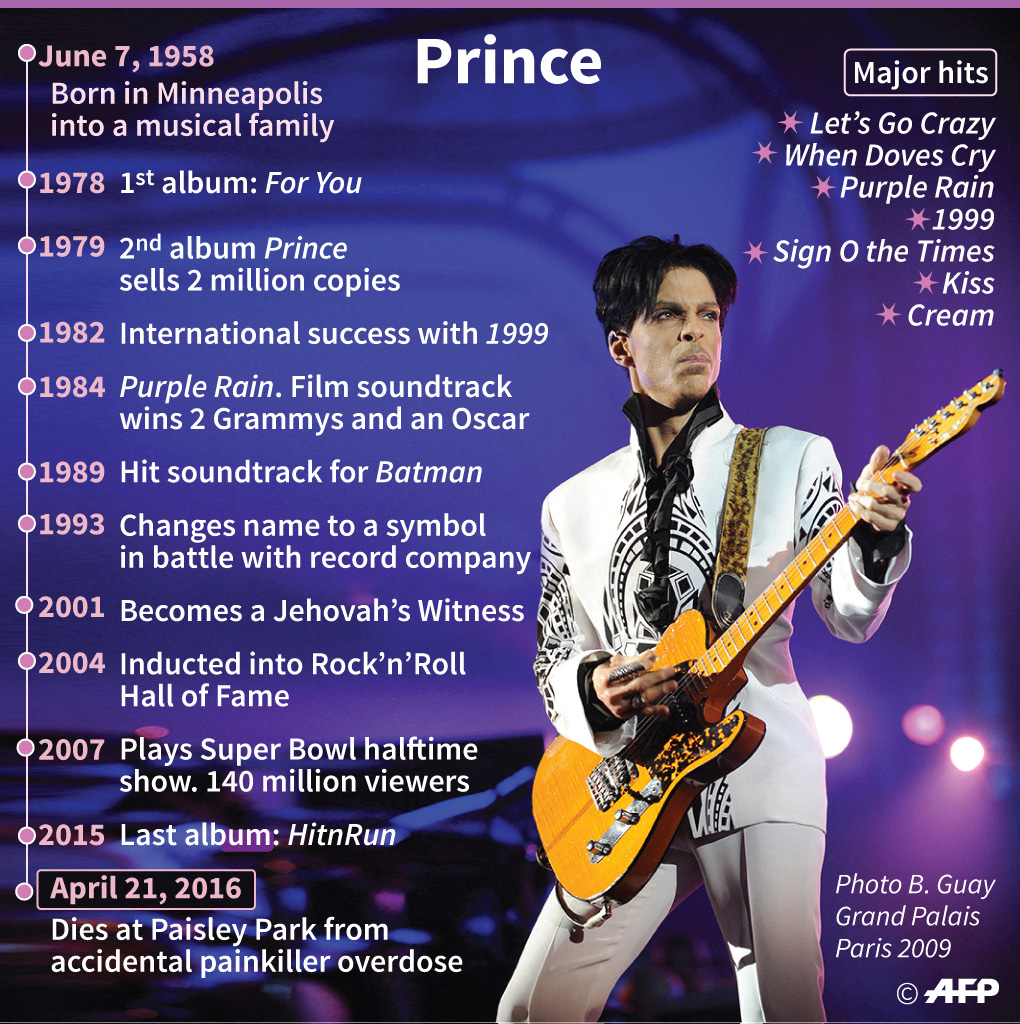
Prince gained success at a young age, signing his first contract with Warner Bros. Records when he was only 19. After a 15-year run that featured several hit records and a blockbuster movie, the ‘90s marked an era of evolution for Prince. While Graffiti Bridge had a few bangers (Thieves in the Temple still slaps), Diamonds and Pearls, his first album with The New Power Generation, seemed to point toward Prince’s new direction for the era.
The Prince and the New Power Generation era was short-lived after he changed his name to a symbol due to his inability to secure his masters from Warner Bros. Records. Prince would appear on stage with the word “slave” written on him and would regularly speak out against how the industry exploits Black artists.
While much was made of Taylor Swift rerecording her songs to own her masters, Prince was the first to put that move on the table.
“I wanted to buy my masters back from Warner Bros. They said no way. So I’m going to rerecord them. All of them. Now you will have two catalogs with pretty much exactly the same music—except mine will be better—and you can either give your money to WB, the big company, or to NPG. You choose,” Prince said in a 1999 interview.
Prince was one of the first musicians to fully leverage the internet to distribute his music directly to his fans through his NPG Music Club. Despite facing ridicule from a public that was ill-informed on how exploitive the music industry could be, Prince stood 10 toes down on his principles and eventually gained control of his masters in 2014.
Sam Moore
Sam Moore, of Sam & Dave fame, Songs like Soul Man and Hold On, I’m Coming should’ve allowed Sam to comfortably coast into retirement alone, given how often they’ve been used in film, TV, and commercials. In 1993, Moore wanted to retire from touring and live off the royalties he should’ve received from his music. He wrote to the Health and Retirement Funds (H&R Funds) of the American Federation of Television and Radio Artists (AFTRA) asking about his pension, and was shocked when they said he was only entitled to a single payment of $2,285, and a monthly payment of $67, for up to five years. They calculated that Moore only earned $66,000 since the 1960s, while Moore estimated that he should’ve had $3 million in earnings and a pension of around $9,000.
Moore joined several other musicians in filing a lawsuit against the AFTRA H&R Funds for failing to properly monitor their earnings and enforce their contractually guaranteed contributions to their health and retirement accounts. This was a protracted lawsuit that lasted 9 years, with the artists eventually reaching an $8.4 million settlement. As this was a class-action lawsuit, Moore received only a fraction of that money, far less than he was originally owed.
Megan Thee Stallion
Unfortunately, it’s common for young artists to sign terrible contracts simply to gain some early traction in their careers. This is what happened to Hot Girl Summer artist Megan Thee Stallion. In 2020, she filed a lawsuit against her former label 1501 Certified Entertainment, claiming that her contract was “unconscionable.” Megan claimed in the lawsuit that the label took 60% of her earnings and that she had to pay producers, mixers, and featured artists from the remaining 40%. The suit also claimed that her label was preventing her from releasing new music.
During an Instagram Live stream, Megan said she “didn’t really know what was in [her] contract” when she first signed it. “I was young. I think I was like 20, and I ain’t know everything that was in my contract,” she added.
Megan eventually settled with 1501 Certified Entertainment in 2023 and was released from her contract. The timing was perfect, as Megan was reaching the height of her popularity and has since (hopefully) collected bag after bag through her various brand deals.
Unfortunately, Megan Thee Stallion was only the latest in a long line of Black women who have been exploited by the music industry. While it’s a shame all these artists had to go through these hardships, hopefully, the next generation of Black artists will look to these stories and have the knowledge necessary to protect themselves against the exploitative forces within the music industry.
SEE ALSO:
Music Is Medicine: A Love Letter To Black Music Month
The Iceman Cometh And The Results Are So Boring, Y’all


