The Black Cookout Is An American Institution: Why It’s Important
- Cookouts preserve generational bonds and pass down family histories and recipes.
- Music connects different generations and reinforces cultural identity.
- Cookouts provide a sanctuary for Black joy and affirmation in the face of societal challenges.
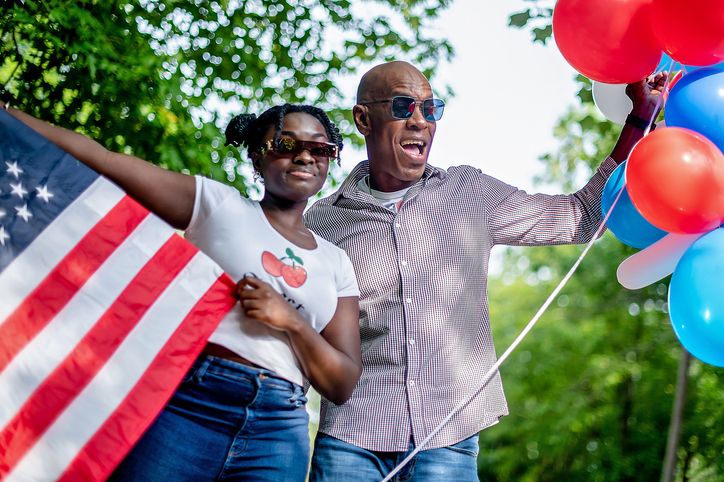
Every July 4, Americans come together to celebrate Independence Day, commemorating the signing and adoption of the Declaration of Independence in 1776. This year, America will be celebrating the 250th anniversary of this historic document, which formally severed the 13 American colonies’ political ties to Great Britain and King George III, marking the birth of the United States as an independent nation. For many Black Americans, however, the holiday carries another cherished tradition: the annual Black family cookout.
More than just a barbecue, it’s a cultural event centered around food, family, music, laughter, and community, a gathering where generations reconnect, friendly debates unfold over who made the best potato salad, and the soundtrack is just as important as what’s on the grill.
So, what exactly is a Black cookout? It’s far more than a backyard barbecue; it is a cherished cultural tradition that represents family, community, resilience, and intergenerational joy. For generations, Black families across the United States have gathered around grills, picnic tables, and folding chairs to celebrate life’s milestones, strengthen relationships, and preserve traditions. While food is often the centerpiece, the true significance of the Black cookout lies in the connections it fosters and the sense of belonging it creates.
At its heart, the Black cookout is an intergenerational gathering where grandparents, parents, children, cousins, neighbors, and lifelong friends come together in a shared space. These gatherings allow family histories, stories, and traditions to be passed down naturally from one generation to the next. Elders share wisdom and memories, while younger family members learn about their heritage through conversation, laughter, and observation. In a world that often moves at a fast pace, the cookout offers an opportunity to slow down and reconnect with loved ones.
A Black July 4 cookout is filled with food and family recipes.

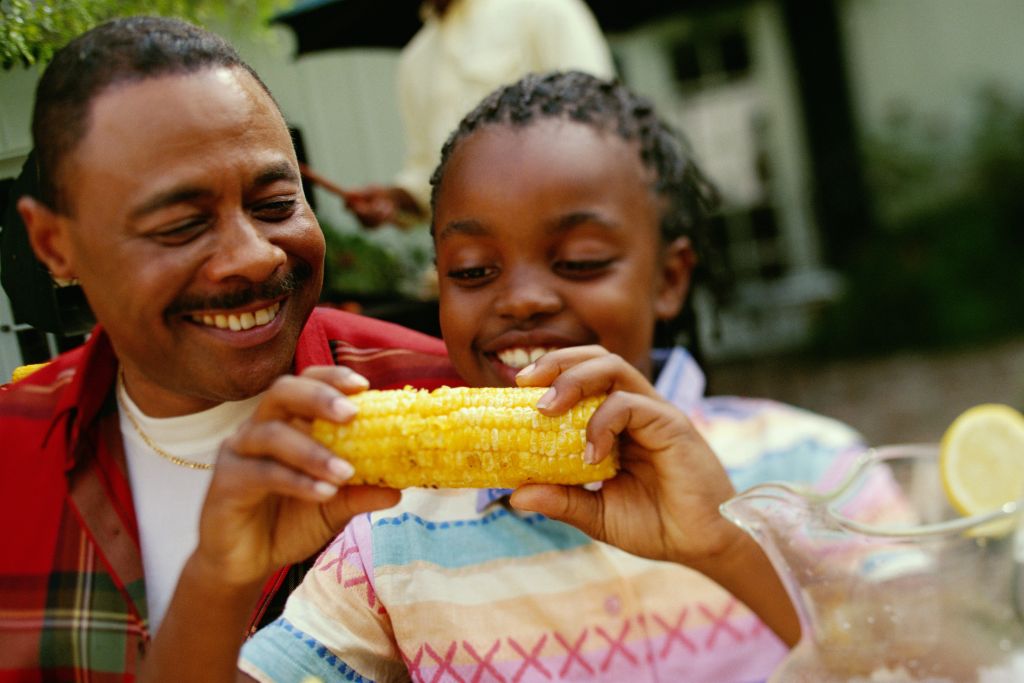
Food plays a central role in the experience. From barbecue ribs and grilled chicken to macaroni and cheese, baked beans, potato salad, collard greens, cornbread, and homemade desserts, each dish reflects generations of family recipes and regional influences. Preparing and sharing these meals is an expression of love, care, and hospitality. Recipes are often treasured family heirlooms, passed down through generations and perfected over time, making every cookout a celebration of culinary heritage. This year, I can’t wait to show the family how I’ve improved my grandmother’s red velvet recipe and rest assured I’ve nailed the recipe. No one wants to have their dish criticized at the family cookout.
Music keeps the party going.
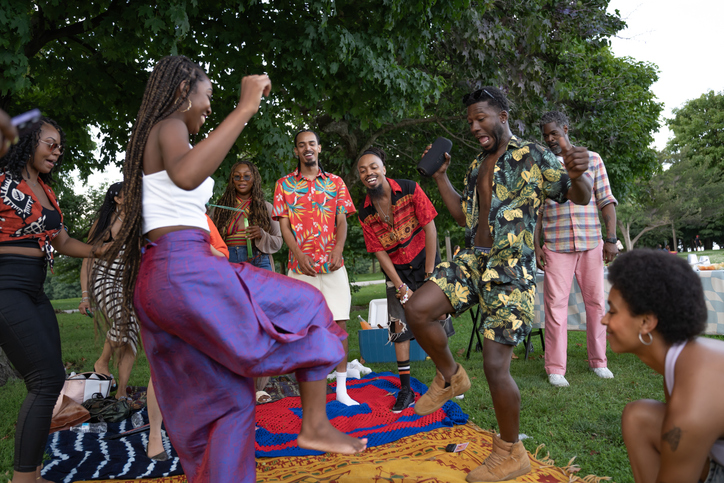
Music is another defining feature of the Black cookout. Classic soul, R&B, funk, gospel, jazz, hip-hop, and contemporary hits create the soundtrack for the day. The music connects generations, with older family members introducing timeless classics while younger relatives contribute today’s favorites. Singing along, dancing, and celebrating together reinforces the spirit of unity and shared cultural identity.
The cookout is also a place for recreation and friendly competition. Card games, dominoes, spades, basketball, football, and outdoor games encourage laughter and camaraderie. These activities help strengthen family bonds while creating lasting memories that participants carry with them for years to come. After all these years, I’m embarrassed to say I still do not know how to play spades; maybe Auntie will finally help me understand it this year.
A Black July 4 cookout is a cultural sanctuary, and as we celebrate America’s 250th, remember that.
Perhaps most importantly, the Black cookout serves as a cultural sanctuary, a place where Black joy can flourish freely. It is an environment where people can celebrate their identities, achievements, and traditions without the pressures or expectations of the outside world. In a society where Black communities have historically faced discrimination and hardship, these gatherings provide moments of peace, affirmation, and collective celebration. They are spaces where love, resilience, and cultural pride are on full display.
Today, the Black cookout is needed now more than ever. As one writer penned in a 2024 piece, “with inflation, scattered families, lost recipes, and increased cost of living,” cookouts are needed to keep the family connected and traditions alive.
Ultimately, the Black July 4 cookout is much more than a meal. It is a living tradition that preserves history, nurtures relationships, celebrates culture, and creates spaces where Black families and communities can experience joy together. So as we celebrate America’s 250th anniversary, remember, we’re celebrating 250 years of Black love, family and union, too.
SEE MORE:


