
Professor Keisha Blain explains how the federal government is being weaponized to continually erase Black History from public spaces.

Black History Month's purpose of education and remembrance is threatened by commercialization and performative gestures, requiring commitment beyond February.

Black History Month marks 100 years, but the fight to protect Black history is far from over amid censorship and erasure.

Urban One is proud to announce “REPRESENT,” a multimedia campaign that celebrates Black History and imagines what the next 100 years will look like.
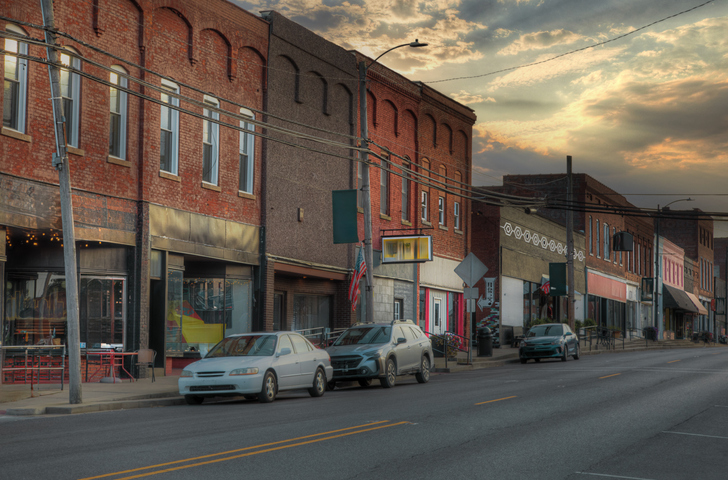
After sunset, Black people had to be out of these hostile sundown towns. It was a matter of life and death in some instances.

Spanning over two centuries—from the 1800s through the 2000s—the EJI’s "A History of Racial Injustice" calendar is a tool designed to shed light on critical but often overlooked moments in American history.

Black people have been washing chicken, steak, and just about every other kind of meat since forever, but why?

Tariffs did far more than adjust trade balances throughout the 19th century. They stoked regional tensions and played a major role in unraveling America's troubling slavery system.

Jazz icon Duke Ellington was a key figure during the Harlem Renaissance movement.

The Black Manifesto, spearheaded by SNCC executive director, James Forman, demanded $500 million in reparations from white churches and synagogues across the United States.

Lee Elder, the first African American golf star to break barriers in the sports, showed the world what it truly meant to bring inclusivity and unity to the game of golf.

Line dancing carries a robust history in the Black community.