Can NABJ Protect Black Journalists — Or Just Mourn Us After?
Let’s stop pretending we weren’t warned.
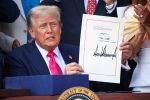
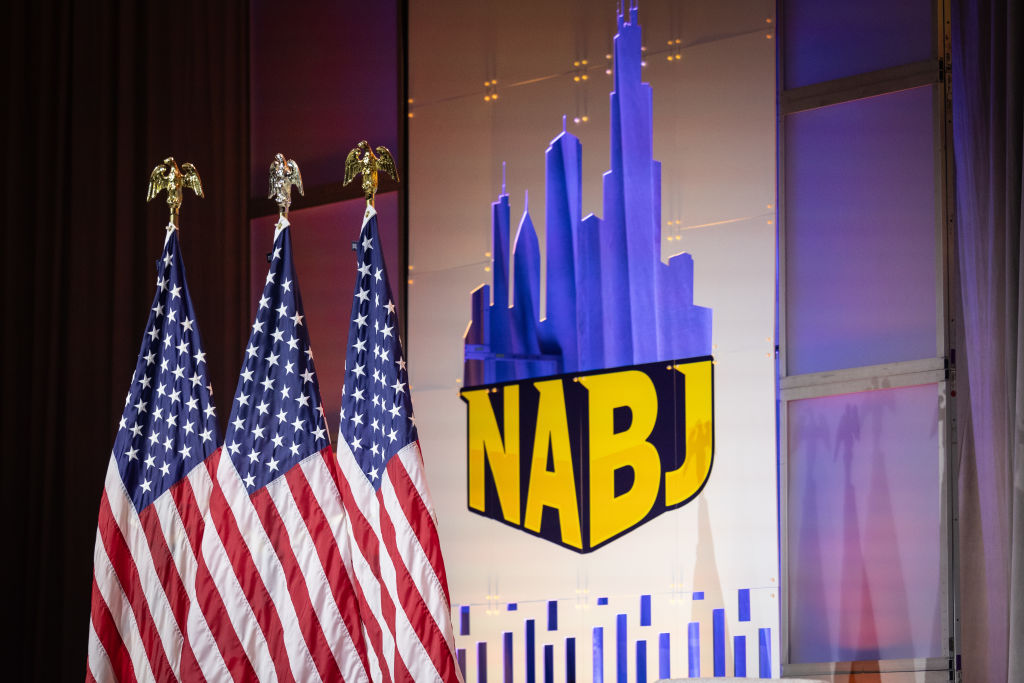
Back in 2024, when the National Association of Black Journalists rolled out the stage and microphone for Donald Trump, rank-and-file members and leaders said exactly what would happen next.
Critics said you cannot platform a man who has built a political career on humiliating, targeting, and dehumanizing Black journalists and then pretend you are strengthening the profession. They said you cannot normalize authoritarian contempt and then be shocked when that contempt turns into policy and arrests. The event led to internal dissent, including the resignation of convention co-chair Karen Attiah, who stated she was not consulted about the decision and labeled the panel a colossal mistake.


Despite NABJ leadership’s defense that hosting major presidential candidates is standard practice, many members felt the move compromised the organization’s integrity and failed to hold Trump accountable for his history of hostility toward the Black press.
And now here we are.
Two Black journalists and two Black activists were arrested. In one weekend. Not harassed. Not shouted at. Not trolled online. Arrested.
NABJ responded with a strong statement condemning the arrests of Don Lemon and Georgia Fort, calling the situation an alarming escalation and reminding the public that the First Amendment is not optional and journalism is not a crime. The organization raised concerns about the selective targeting of Black and LGBTQIA journalists and called on federal authorities to explain the legal basis for the arrests.
NABJ did what responsible institutions do in moments like this. The statement was correct, constitutionally sound, and morally clear. But it was also historically insufficient. Because history makes statements like this feel both necessary and painfully familiar. Because for Black journalists, state outrage has rarely translated into state protection, and institutional statements have rarely stopped the racist machinery once it starts moving.
Black journalists in America have always worked under threat. Always. During slavery, Black printers and pamphleteers risked mobs and jail cells. During Reconstruction, Black newspaper offices were burned to the ground.
During Jim Crow, Black reporters covered lynchings, knowing they could be next. Ida B. Wells had to flee the South because telling the truth about white violence put a price on her life. Black press workers were beaten, surveilled, pushed out of towns, and sometimes buried for doing their jobs. And those journalists did not have statements. They had strategy, networks, and survival plans.
They understood something that too many modern journalism institutions have forgotten: you cannot do journalism the same way under an authoritarian climate as you do under a liberal democratic fantasy.
And the question sitting under everything right now is: Does NABJ actually understand how to operate under authoritarian pressure? Because issuing statements is not protection. It is reaction, grief language, and press release mourning.
Right now, Black journalists do not need sympathy. We need infrastructure. We need legal defense pipelines. We need rapid response safety systems. We need coordinated newsroom pressure. We need media strike conversations. We need training on hostile-state reporting. We need digital and physical security frameworks designed specifically for Black reporters who are disproportionately targeted.
Because let us be honest about the pattern we are observing unfold. DEI is being dismantled newsroom by newsroom. Black journalists are being pushed out, laid off, or publicly undermined. Some of the most visible Black voices in media have been fired, sidelined, or stripped of platforms. And now, Black journalists are being arrested. None of this is random. It is the trajectory.
So when NABJ issues strong, emotional, constitutionally grounded statements now, the question is not whether those statements are correct. The question is whether they are sufficient. Because history says they are not.
During Jim Crow, the Black press did not survive because white institutions suddenly respected the First Amendment. The Black press survived because Black journalists built parallel systems of protection, funding, legal defense, and community intelligence. They operated like people who knew the law would not save them. And that is the part of the history we don’t talk about enough. Black journalism has never been protected by America. It has been protected by Black people.
So, what is NABJ prepared to be in this moment? Is it a professional networking organization that releases strong language when things go bad? Or is it prepared to act like the historical inheritor of a press tradition forged under open hostility?
Because this moment is not theoretical anymore. Two Black journalists arrested in one weekend is not a policy debate. That is a signal. And if we are honest, 2024 was a signal too.
When critics said platforming authoritarian power was dangerous, they were not being ideological. They were being historical. They were reading the pattern and recognizing the rhythm America always falls into when white grievance politics gains institutional control.
So yes, NABJ can and should condemn these arrests. That matters. Words matter. Public pressure matters. But if the organization believes statements alone are protection, then it is operating several decades behind the reality Black journalists are now facing. Because authoritarian regimes don’t fear statements. They fear coordinated power, financial leverage, legal resistance, and collective refusal.
The Black press has survived slavery, Reconstruction collapse, Jim Crow terror, McCarthyism, COINTELPRO surveillance, and the War on Terror media state. But we survived those eras because Black journalists adapted faster than the systems trying to silence them.
Is NABJ ready to operate like an organization that understands Black journalists are entering another hostile era? Or is it still operating like this is just another news cycle? Because history is clear about what happens to Black truth-tellers when institutions prioritize optics over protection.
Dr. Stacey Patton is an award-winning journalist and author of “Spare The Kids: Why Whupping Children Won’t Save Black America” and the forthcoming “Strung Up: The Lynching of Black Children In Jim Crow America.” Read her Substack here.
SEE ALSO:
Don Lemon’s Arrest Is A Warning Shot At Black, Independent Journalists