Why Black Communities Still Need Libraries
- Libraries serve as essential spaces for access, education, and representation, especially for underserved groups.
- Combating book bans requires community engagement, advocacy, and support for organizations defending intellectual freedom.
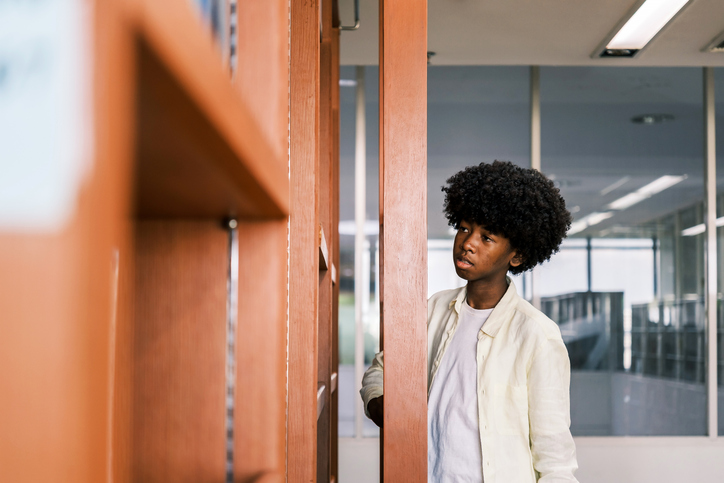
Reading has long served as a portal to information, culture, and imagination, offering access to worlds that educate, challenge, and inspire. Through books, readers can explore histories, identities, and perspectives far beyond their own. Yet this fundamental right and joy is increasingly under threat as book bans continue to rise across the United States. This troubling trend casts a shadow over National Library Week, observed this year beginning April 19, 2026, a time traditionally meant to celebrate access to knowledge and the vital role libraries play in Black communities and marginalized communities as a whole.
Book bans are on the rise.
We need libraries now more than ever, with recent data showing a troubling rise in book bans across the country. As previously reported, the American Library Association (ALA) released its list of the most challenged books of 2025, revealing that the year marked the second-highest number of book challenges on record. Only 2023 saw more, with 4,240 challenges. In 2025, the ALA’s Office for Intellectual Freedom (OIF) documented 4,235 unique titles targeted by book bans, the second-highest year. These numbers reflect not just isolated incidents, but a widespread and growing movement to restrict access to literature. That’s a problem.
One of the most notable findings from the ALA report is who is driving these challenges. Notably, individual, concerned parents accounted for only 3% of challenges filed in 2025. Instead, an overwhelming 92% of all book challenges were submitted by “pressure groups, government officials, and decision makers,” representing a significant 20% increase from the previous year. This data proves book bans are organized and systemic.
Why are libraries important?

Libraries serve as critical spaces for access, education, and representation, especially for communities that have historically been excluded from mainstream narratives. For Black people and members of the LGBTQIA+ community, libraries are more than just buildings filled with books; they are repositories of history, identity, and visibility. At a time when some efforts seek to erase or obscure these experiences, access to diverse literature becomes even more essential.
The ALA report found that in 2025, nearly 40% of books banned represented the lived “experiences of LGBTQIA+ people and people of color.” This statistic reveals a clear pattern: books that center marginalized voices are disproportionately targeted. As National Library Week encourages reflection on the importance of libraries, it also raises urgent questions about whose stories are being silenced and why. We have to fight back.
Several widely recognized titles have been banned and criticized despite their powerful role in illuminating the lived experiences of marginalized communities and deepening public understanding of history and social issues. These books do more than tell stories; they provide essential context, challenge dominant narratives, and encourage critical thinking. They uplift our communities through the power of daring authors, many of whom have been Black over the years, who have written fearlessly to tell our stories loud and proudly.
For example, The 1619 Project by Nikole Hannah-Jones has faced significant challenges due to its critical examination of American history and its focus on the legacy of slavery. Lawmakers pushed to ban the book in 2021, and states like Florida and Texas are key examples where state-level actions, such as Florida’s Stop WOKE Act, have successfully banned the book from school libraries.
Similarly, The Hate U Give by Angie Thomas has been banned in various districts for its exploration of police violence and systemic racism. Another frequently challenged book, All Boys Aren’t Blue by George M. Johnson, was the second most banned book in 2024, removed from numerous schools and libraries because of its candid discussion of LGBTQ+ identity. While these works have sparked controversy, they offer valuable perspectives that contribute to a more complete and inclusive understanding of society.
As National Library Week continues, the rise in book bans presents a direct challenge to the core values libraries are meant to uphold: free access to information, intellectual freedom, and the inclusion of diverse voices. These increasing book bans not only limit what readers can access but also risk silencing stories that are vital to understanding the full scope of human experience. Addressing this issue requires ongoing awareness, active advocacy, and meaningful engagement from communities, educators, and policymakers committed to protecting the freedom to read.
One of the most meaningful ways to push back against book bans during National Library Week is through collective action and public support for libraries. Black and marginalized community members can attend school board and library meetings, speak out against censorship policies, and advocate for inclusive collections that reflect a wide range of experiences. Allies can help to push these concerns to the forefront.
Supporting organizations like the American Library Association, which tracks and challenges censorship efforts, is another effective step. Readers can also make a difference by checking out, purchasing, and discussing frequently challenged books, ensuring they remain visible and relevant. Educators and parents can cultivate open conversations about why these books matter, helping younger readers develop critical thinking skills rather than shielding them from complex topics.
We can fight back together.


