Obtaining ACA Insurance Is Expensive, Complex, And Maddening
The Expensive, Complex, And Maddening Experience Of Obtaining ACA Insurance
The best part about being a millennial is seeing everything that was more or less considered standard for the generations before me evaporate into dust. Take, for instance, health insurance.
When I graduated from college in 2014, it didn’t take long for me to find a solid office job that paid the bills and provided solid access to health and dental benefits. Throughout my 20s, that was the norm in every job I worked.
It’s been a different story in my 30s, where I’ve watched America disembowel itself in the pursuit of shareholder value.
The job market is terrible, and what work you can find probably doesn’t pay enough to keep up with the cost of living, let alone provide solid benefits. I spent 2023 unemployed after being laid off in late 2022, 2024 being underemployed, and finally got some semblance of financial stability this year after getting this writing gig.
Thankfully, the Affordable Care Act (ACA) has been a boon to me amid the full force of America’s failing economy. I didn’t have to pay a monthly premium at all while unemployed, and my plan increased to a reasonable $40 after getting my part-time job.
As a result of doing quite a bit of reporting on the recent government shutdown around the expiring subsidies for the ACA, I went into this year’s open enrollment period expecting my rate to increase. My current provider will no longer be operating in Arizona by the end of the year, so I knew I would have to change my plan regardless. I went into the marketplace prepared to pay around $150 to $175 for my existing plan. When I filled out all the paperwork and the marketplace presented the equivalent of my current plan, my monthly premium increased from $40 a month to $387.
Listen, between my two jobs, I don’t make terrible money, but I don’t make enough to just accept my monthly premium being hit with a 9x multiplier without issue. I’ve become one of the millions of Americans who’ve had to ask themselves an uncomfortable question: how much is my health worth?
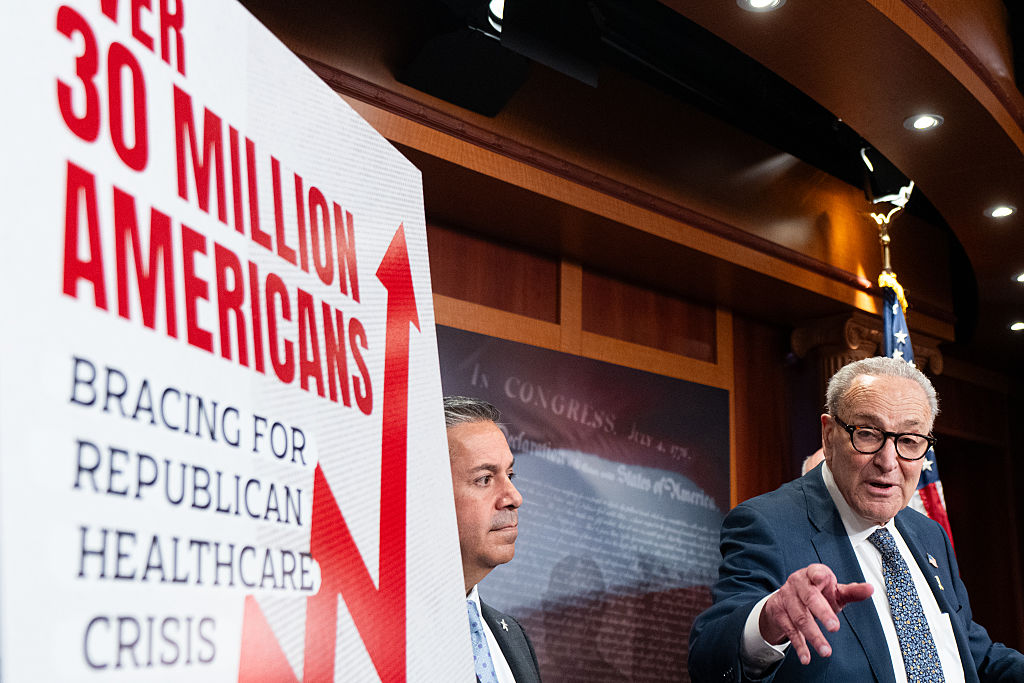
According to a poll from KFF, ACA premiums have increased so significantly that 1 in 4 enrollees say they are “very likely” to go uninsured in the coming year. Monthly premiums for ACA insurance have increased by an average of 114%. “One of the things that the Affordable Care Act did was decrease our uninsurance rate in this country,” Ashley Kirzinger, director of survey methodology at KFF, told ABC News. “This could have major implications and major consequences as more people become uninsured for the first time in a decade.”
“And so, it’s not that they want to go without coverage. It’s that that may be the only option available to them,” Kirzinger added.
Going uninsured simply wasn’t an option for me. I’ve struggled with asthma since I was a child, and I’m not trying to have an asthma attack because I don’t have access to an inhaler. The GOP can be a death cult all they want, but I refuse to participate. The poll also found that 1 in 3 ACA enrollees said they were “very likely” to look for a lower cost plan if their premiums increase.
I happen to be one of those 1 in 3, and I’d love to tell you about the absolutely maddening process that is trying to find a new plan in the ACA marketplace.
So after seeing that I couldn’t afford to go about my usual strategy of filling out the application and letting my current plan auto-renew, I knew I was going to have to do some research. That wound up being the most frustrating part of this entire experience. There’s an overwhelming amount of plans on the ACA marketplace, with few options to really organize the list to your needs. Even when you find a plan that seems workable, trying to learn about the details of the plan can be a crapshoot.
In the year of our lord 2025, somehow, the government has yet to discover the high-tech feature of making links that take you away from the site automatically open in a new tab. When I clicked on the brochure link for one of the plans, it took me out of the health care marketplace and into their site. When I tried to go back to the site, I had to log in again and found that the site listed the new, more expensive plan as my default, which was confusing. I was able to go back into the marketplace and navigate the long list of plans once again.
Even after manually opening the links in new tabs, I found the information provided by the various insurance companies varied in usefulness. Some plans provided robust explanations of co-pays, premiums, and what the plan covers. Other companies’ brochure links simply take you to the homepage of the insurance provider’s website, and all you’re given is a sales pitch without any real information about what the plan you’re looking at provides.
The ACA marketplace does provide a comprehensive breakdown of what each plan provides, but I prefer going through the brochure, as it typically provides a clearer example of how your insurance works in action. If I’m going to be spending more money against my will, I want to know exactly what I’m paying for.
The convoluted process of finding a new plan only adds insult to the injury of rising prices. As I said before, I work two jobs, and I also work for myself. I only have so much time in the day, and I made sure to clear out a Saturday so I could figure out a plan. I can only imagine how frustrating this process is for people in a similar boat who also have families to take care of.
I eventually settled for a plan that costs $187 a month, but it is nowhere near as comprehensive as the plan I currently have. I’m doing my best to squeeze in all my doctor’s visits before the year ends, and I have to deal with higher out-of-pocket costs.
I’m a college-educated man working two jobs, firmly straddling the line between upper and lower class. This was my experience, so I can only imagine what it’s been like for those dealing with chronic illness, poverty, and having to take care of a family. If you still need to get a plan through the ACA, you have until Dec. 15. I highly suggest you get on it, because as you can see, the process is far from intuitive.
With a midterm election around the corner and a deeply unpopular president, you’d think the GOP would take a break from transferring wealth from the poorest Americans to the richest and actually throw us some kind of a bone when it comes to health care. Believe it or not, affordable health care is actually a bipartisan issue. According to AP, nearly all Democrats, 8 in 10 independents, and 7 in 10 Republican voters think the ACA subsidies should be extended.
Despite a majority of American voters favoring the extension of the subsidies, the GOP refused to budge on the issue during the government shutdown. While Senate Majority Leader John Thune said that a vote would be held on extending the subsidies, that vote will likely fail. President Donald Trump was set to unveil a plan to expand subsidies with some new caveats, but it was quickly blocked by Republicans in Congress.
The Hill reports that should the subsidies fully expire by the end of the year, the majority of voters would blame Trump and the GOP. I don’t know about you, but I kind of feel like having most of the public blaming you for their rising health care costs, or being straight up uninsured, is not a good look for your electoral prospects.
My personal politics have always been far more left-leaning than the largely neoliberal Democratic Party, so voting for the Republican Party was never going to be an option for me. I have to say, it’s been baffling to watch the GOP implement policies that directly make the lives of the people who voted for them worse. I don’t think a large swath of Republican voters is suddenly going to vote Democrat, but I think there’s a strong chance they may just not vote at all.
Despite being the wealthiest country in the world, we’re one of the few countries without universal health care. Instead of actually trying to “Make America Healthy Again” with access to quality health care, the Republican Party has ensured that America is likely entering an era of absurdly high costs and deaths that could’ve been prevented if people had access to affordable health care.
SEE ALSO:
Affordable Care Act Insurance Could Be 75% More Expensive Next Year
Rising Health Insurance Premiums And Expiring Subsidies Demand Action